Opposition Lawmakers File Serious Charges Against President Rodrigo Chaves
A coalition of deputies in Costa Rica has formally accused President Rodrigo Chaves of instigating public rebellion amid rising political tensions.
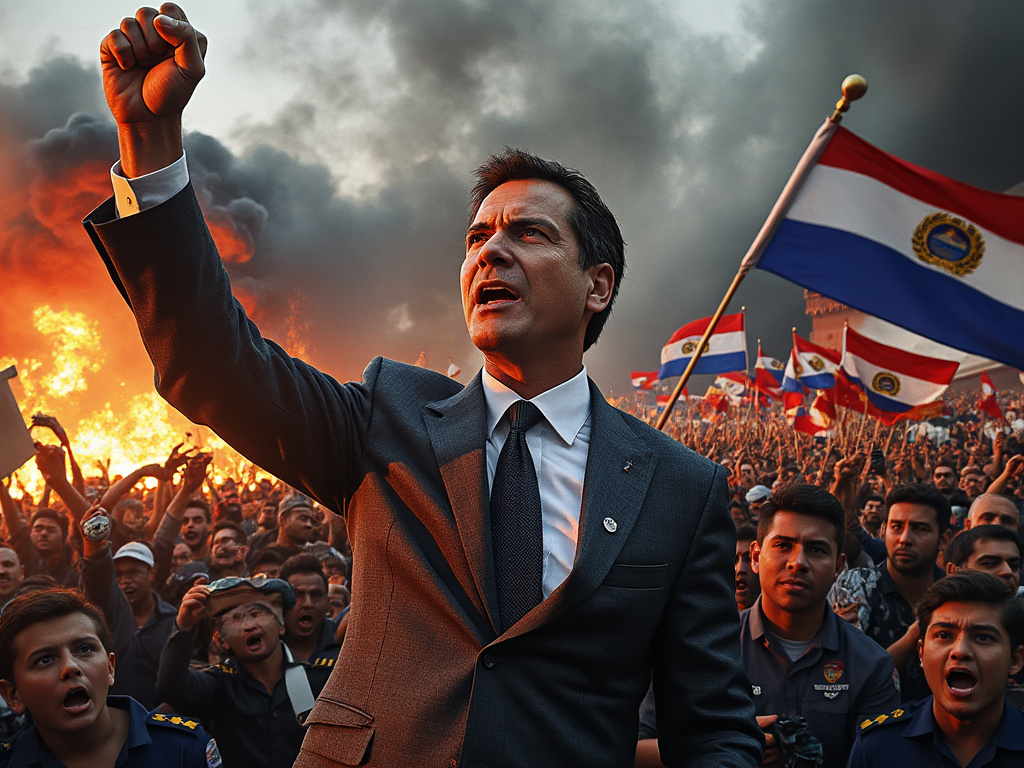
On May 23, 2025, a group of Costa Rican lawmakers united to present a criminal complaint against President Rodrigo Chaves, accusing him of publicly instigating rebellion.
The complaint was presented by independent deputy Johana Obando and six deputies from the Frente Amplio party, in collaboration with citizens Oscar Aguilar Bulgarelli and Rocío Ramírez Varela, who represent social movements.
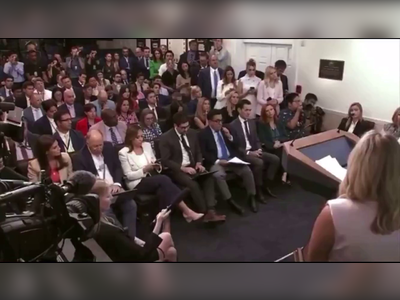
The complaint follows Chaves' remarks during his weekly press conferences, where he allegedly encouraged the Costa Rican people to rise up against the government.
His most recent statement involved a metaphorical reference to not ‘pulling the tail of the calf,’ suggesting a public uprising similar to the events surrounding Costa Rica's 1948 civil war, which was prompted by electoral irregularities and governmental strife.
According to the lawmakers, Chaves’ comments indicate instigation of an armed uprising aimed at obstructing the functions of the state powers, the Public Prosecutor's Office, and the judiciary as a whole.
Under Costa Rican law, public instigation is punishable by imprisonment for six months to four years.
The crime of instigation to rebellion carries a prison sentence of two to ten years for those who rise in arms to change the Constitution or to obstruct state functions temporarily.
This complaint is not isolated; on May 19, Deputy Eli Feinzaig from the Partido Liberal Progresista also filed a criminal complaint against Chaves, claiming that the President's actions pose a direct threat to democracy, the rule of law, and social peace.
Feinzaig stated that the President's rhetoric could be considered a dangerous call to unrest.
In a separate but related development, Gilberth Jiménez from the Partido Liberación Nacional (PLN) is contemplating resignation from his party after facing reprimands from his colleagues for allegedly breaching a prior agreement regarding the leadership of the Security and Narcotics Commission in the Legislative Assembly.
Jiménez's actions led to tension within the PLN, particularly after he was re-elected to the commission without the backing of the party, going against an earlier consensus in favor of another candidate.
The internal conflict unfolded during a meeting where Jiménez expressed his dissatisfaction with the treatment he received from the PLN leadership, leading him to consider separating from the party.
Reports indicate that he did not receive support from his colleagues during this politically charged situation.
Meanwhile, controversy also surrounded President Chaves following his assertion that Guatemala's First Lady, Lucrecia Peinado, was living as a political refugee in Mexico, due to a corrupt legal system in her country.
Guatemala’s Ministry of Public Affairs has dismissed these claims, labeling them as misinformation, and asserted that Peinado is not under investigation nor linked to any criminal case.
On another front, the president of Grupo Teletica has requested a meeting with Chaves regarding the unauthorized publication of his personal phone number by a journalist from their news channel.
The government condemned the release of the number, emphasizing it as an illegal infringement of privacy.
In a further political shift, Gabriela Jiménez Corrales, the mayor of San Ramón, announced her resignation from the Partido Unidad Social Cristiana (PUSC) to express her support for Chaves, amid her ongoing legal troubles concerning accusations of receiving illicit benefits from a bus company.
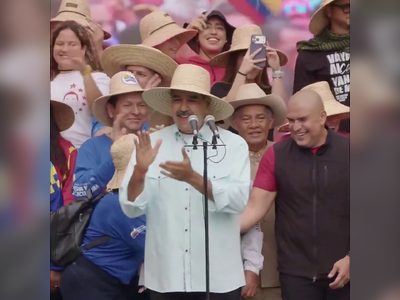
Her decision to leave the PUSC generated notable reactions at a public event, where her support for Chaves was visibly celebrated.
The unfolding political drama in Costa Rica mirrors broader tensions within its governance structure, as various factions respond to the President’s controversial leadership and the ongoing investigations into his administration's actions, reflecting a precarious political landscape in the nation.
The complaint was presented by independent deputy Johana Obando and six deputies from the Frente Amplio party, in collaboration with citizens Oscar Aguilar Bulgarelli and Rocío Ramírez Varela, who represent social movements.
The complaint follows Chaves' remarks during his weekly press conferences, where he allegedly encouraged the Costa Rican people to rise up against the government.
His most recent statement involved a metaphorical reference to not ‘pulling the tail of the calf,’ suggesting a public uprising similar to the events surrounding Costa Rica's 1948 civil war, which was prompted by electoral irregularities and governmental strife.
According to the lawmakers, Chaves’ comments indicate instigation of an armed uprising aimed at obstructing the functions of the state powers, the Public Prosecutor's Office, and the judiciary as a whole.
Under Costa Rican law, public instigation is punishable by imprisonment for six months to four years.
The crime of instigation to rebellion carries a prison sentence of two to ten years for those who rise in arms to change the Constitution or to obstruct state functions temporarily.
This complaint is not isolated; on May 19, Deputy Eli Feinzaig from the Partido Liberal Progresista also filed a criminal complaint against Chaves, claiming that the President's actions pose a direct threat to democracy, the rule of law, and social peace.
Feinzaig stated that the President's rhetoric could be considered a dangerous call to unrest.
In a separate but related development, Gilberth Jiménez from the Partido Liberación Nacional (PLN) is contemplating resignation from his party after facing reprimands from his colleagues for allegedly breaching a prior agreement regarding the leadership of the Security and Narcotics Commission in the Legislative Assembly.
Jiménez's actions led to tension within the PLN, particularly after he was re-elected to the commission without the backing of the party, going against an earlier consensus in favor of another candidate.
The internal conflict unfolded during a meeting where Jiménez expressed his dissatisfaction with the treatment he received from the PLN leadership, leading him to consider separating from the party.
Reports indicate that he did not receive support from his colleagues during this politically charged situation.
Meanwhile, controversy also surrounded President Chaves following his assertion that Guatemala's First Lady, Lucrecia Peinado, was living as a political refugee in Mexico, due to a corrupt legal system in her country.
Guatemala’s Ministry of Public Affairs has dismissed these claims, labeling them as misinformation, and asserted that Peinado is not under investigation nor linked to any criminal case.
On another front, the president of Grupo Teletica has requested a meeting with Chaves regarding the unauthorized publication of his personal phone number by a journalist from their news channel.
The government condemned the release of the number, emphasizing it as an illegal infringement of privacy.
In a further political shift, Gabriela Jiménez Corrales, the mayor of San Ramón, announced her resignation from the Partido Unidad Social Cristiana (PUSC) to express her support for Chaves, amid her ongoing legal troubles concerning accusations of receiving illicit benefits from a bus company.
Her decision to leave the PUSC generated notable reactions at a public event, where her support for Chaves was visibly celebrated.
The unfolding political drama in Costa Rica mirrors broader tensions within its governance structure, as various factions respond to the President’s controversial leadership and the ongoing investigations into his administration's actions, reflecting a precarious political landscape in the nation.